
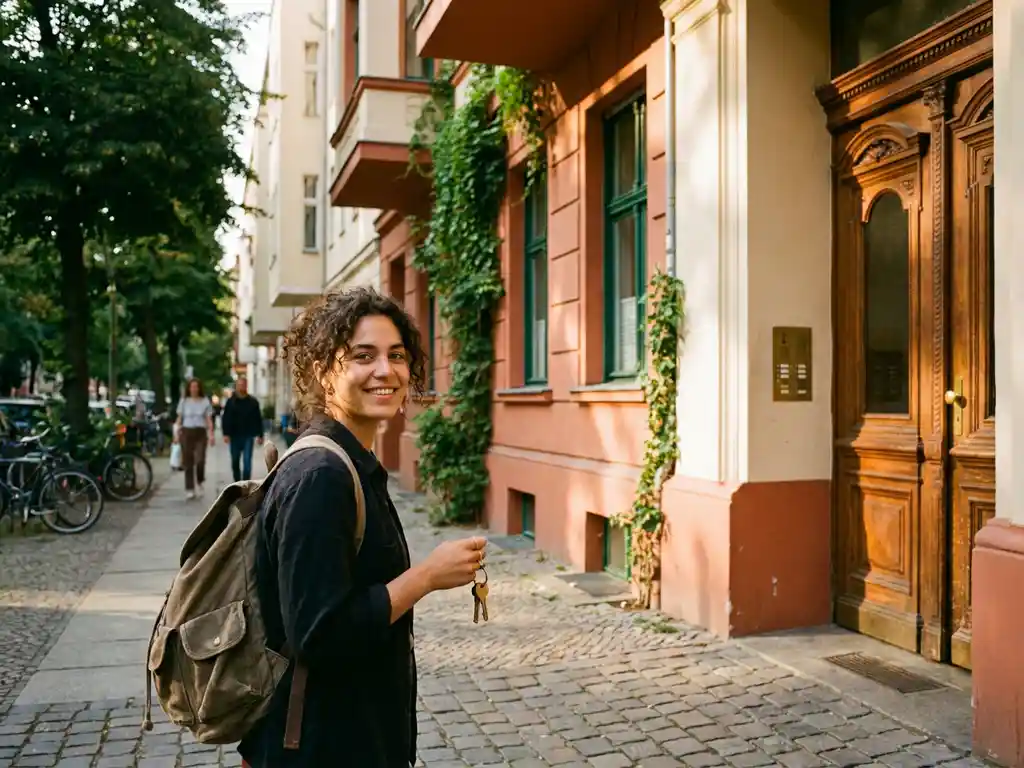
Student housing in Berlin refers to a range of accommodation options specifically suited to students, including university dormitories, shared apartments (WGs), private studios, and purpose-built student residences. It works through a combination of public institutions, private landlords, and housing platforms, each with different application processes, costs, and requirements. International students in particular face a competitive and often confusing rental market, so understanding how the system works before you arrive can make a significant difference. This article walks through the most important questions students ask before securing accommodation in Berlin.
What types of student housing are available in Berlin?
Student housing in Berlin falls into four main categories: university dormitories (Studentenwohnheime), shared apartments (Wohngemeinschaften or WGs), private studio apartments, and purpose-built student residences managed by private providers. Each option differs in cost, availability, and the level of independence it offers. Most international students end up in either a WG or a private student residence, as dormitory waitlists tend to be long.
University dormitories (Studentenwohnheime)
Dormitories managed by the Studierendenwerk Berlin are among the most affordable options, with rents often well below market rate. However, demand far exceeds supply, and waitlists can stretch from several months to over a year. These are best applied for as early as possible, ideally before you even receive your final admission letter.
Shared apartments (WG Berlin students)
A WG, or Wohngemeinschaft, is the most common living arrangement for students in Berlin. You rent a private room within a shared flat and split costs for common areas and utilities. WGs range from two to six or more housemates and are listed on platforms such as WG-Gesucht and Immobilienscout24. Competition for good WG rooms is intense, particularly at the start of each semester.
Private studios and purpose-built residences
Private studios offer full independence but come at a higher price point. Purpose-built student residences, operated by private companies, sit between dormitories and fully private apartments in terms of cost and community feel. These often include furnished rooms, fast WiFi, and flexible contract terms, making them attractive for international students arriving without a local guarantor or credit history.
How do you apply for student housing in Berlin?
Applying for student housing in Berlin depends on the type of accommodation you are targeting. For university dormitories, you apply directly through the Studierendenwerk Berlin portal and join a waitlist. For WGs and private apartments, you contact landlords or current tenants directly through listing platforms and submit a rental application package. Most successful applicants move quickly and have their documents prepared in advance.
For private and WG applications, the typical process looks like this:
- Search listings on platforms such as WG-Gesucht, Immobilienscout24, or Spotahome
- Send a personalised introduction message to the landlord or current tenants
- Attend a viewing, either in person or via video call if you are applying from abroad
- Submit your application documents (see the documents section below)
- Receive and review the rental contract before signing
Applying from outside Germany adds complexity. Many landlords are reluctant to rent to applicants they have not met in person, and some require a German guarantor. Working with a student housing service that pre-screens listings and supports remote applications can significantly reduce the friction involved.
How much does student housing cost in Berlin?
Student accommodation in Berlin typically costs between €400 and €900 per month in 2026, depending on the type of housing, the district, and whether utilities are included. University dormitory rooms are the cheapest option, often ranging from €250 to €400 per month, but they are rarely available on short notice. WG rooms in central districts such as Mitte or Prenzlauer Berg average €600 to €800 per month, while outer districts like Spandau or Marzahn offer lower rents.
Key cost factors to account for when budgeting for Berlin student apartments include:
- Cold rent (Kaltmiete): The base rent before utilities
- Warm rent (Warmmiete): Cold rent plus heating and sometimes water
- Deposit (Kaution): Usually two to three months of cold rent, paid upfront
- Internet and electricity: Often not included, particularly in WGs
- Agency fees: Legally, landlords bear these costs in Germany, not tenants
Affordable student housing in Berlin is available, but it requires acting quickly and being flexible about location. Districts slightly further from the city centre, such as Lichtenberg, Reinickendorf, or Tempelhof, often offer comparable quality at meaningfully lower rents.
What documents do international students need to rent in Berlin?
International students applying for housing in Berlin typically need to provide a standard set of documents that demonstrate identity, financial reliability, and student status. Having these prepared before you start applying will speed up the process considerably, as landlords in Berlin often make decisions within days of receiving applications.
The core documents required are:
- Valid passport or national ID
- University enrolment confirmation (Immatrikulationsbescheinigung)
- Proof of income or financial means — this can be a bank statement, scholarship letter, or a parental declaration of financial support (Bürgschaftserklärung)
- SCHUFA credit report — a German credit check; newcomers can request a basic version online, though many international students will not yet have a SCHUFA record
- Previous landlord reference (Mietschuldenfreiheitsbescheinigung) — a letter confirming you have no outstanding rent debts
- Completed self-disclosure form (Selbstauskunft) — a standard form landlords use to collect personal and financial information
International students without a SCHUFA record or a German guarantor can often compensate by offering to pay several months of rent in advance or by providing a strong financial guarantee from a parent or sponsor. Some private student housing providers do not require a SCHUFA at all, which makes them a practical first option for those arriving new to Germany.
What are the most common housing scams targeting students in Berlin?
Housing scams are a serious and widespread problem in Berlin’s student rental market. The most common scam involves a fraudulent landlord advertising a flat at an attractive price, requesting a deposit or first month’s rent before any viewing takes place, and then disappearing with the money. Students searching for international student housing in Berlin are disproportionately targeted because they are unfamiliar with the local market and often applying remotely under time pressure.
Common red flags to watch for include:
- Rent prices significantly below the market average for the area
- A landlord who is “abroad” and cannot show the flat in person
- Requests to transfer money via Western Union, cryptocurrency, or gift cards
- Listings with professional photos that appear on multiple platforms under different names
- Pressure to decide immediately or lose the flat
- Contracts sent before any viewing has taken place
The safest approach is to never transfer money before signing a verified contract and viewing the property, either in person or via a live video walkthrough with someone physically present at the flat. Using platforms that verify listings or working with a trusted student housing provider in Berlin reduces this risk significantly. If something feels off, trust that instinct and move on to the next listing.
What happens after signing a student housing contract in Berlin?
After signing a student housing contract in Berlin, there are several immediate steps you need to complete before you are fully settled. The most important is the Anmeldung, the official registration of your address at the local Bürgeramt (citizens’ office). This is a legal requirement in Germany and must be completed within two weeks of moving in. The Anmeldung confirmation document is essential for opening a German bank account, registering at your university, and accessing many other services.
Beyond the Anmeldung, the post-signing checklist typically includes:
- Paying the deposit and first month’s rent as specified in the contract
- Completing a handover protocol (Übergabeprotokoll) when you receive the keys, documenting the condition of the flat to protect your deposit
- Setting up utilities — electricity, gas, and internet, if these are not already included in your rent
- Registering for the public broadcasting fee (Rundfunkbeitrag), which is currently around €18 per month and applies to most households in Germany
- Notifying your university of your new address
Many international students find the bureaucratic steps after moving in just as challenging as finding the flat itself. Understanding what is required and in what order helps avoid delays that can affect your studies, banking, and visa status.
How PropTech 24×7 GmbH helps with student housing in Berlin
PropTech 24×7 GmbH was built specifically to solve the challenges described throughout this article. Founded by someone who navigated Germany’s housing and integration system as an international student, the company understands firsthand what makes this process difficult and where students are most vulnerable. Rather than simply listing apartments, PropTech 24×7 GmbH provides end-to-end support across the entire student housing journey in Berlin.
Here is what the service includes:
- Verified listings only — every property is screened to protect students from scams
- Affordable entry points starting at €400 per month with flexible, student-friendly contracts
- 24 to 48 hour response guarantee with rapid move-in timelines
- Bureaucracy support including Anmeldung assistance, utility setup, and WiFi connection
- Coverage across 9+ Berlin districts, with options for both central and more affordable outer areas
- Support for international students from South Asia, Africa, and beyond, including those without a SCHUFA record or German guarantor
Whether you are still searching for your first Berlin apartment or have already signed and need help with the next steps, the team at PropTech 24×7 GmbH is available around the clock. Get in touch today to find verified, affordable student accommodation in Berlin with the support you need to settle in quickly and confidently.