
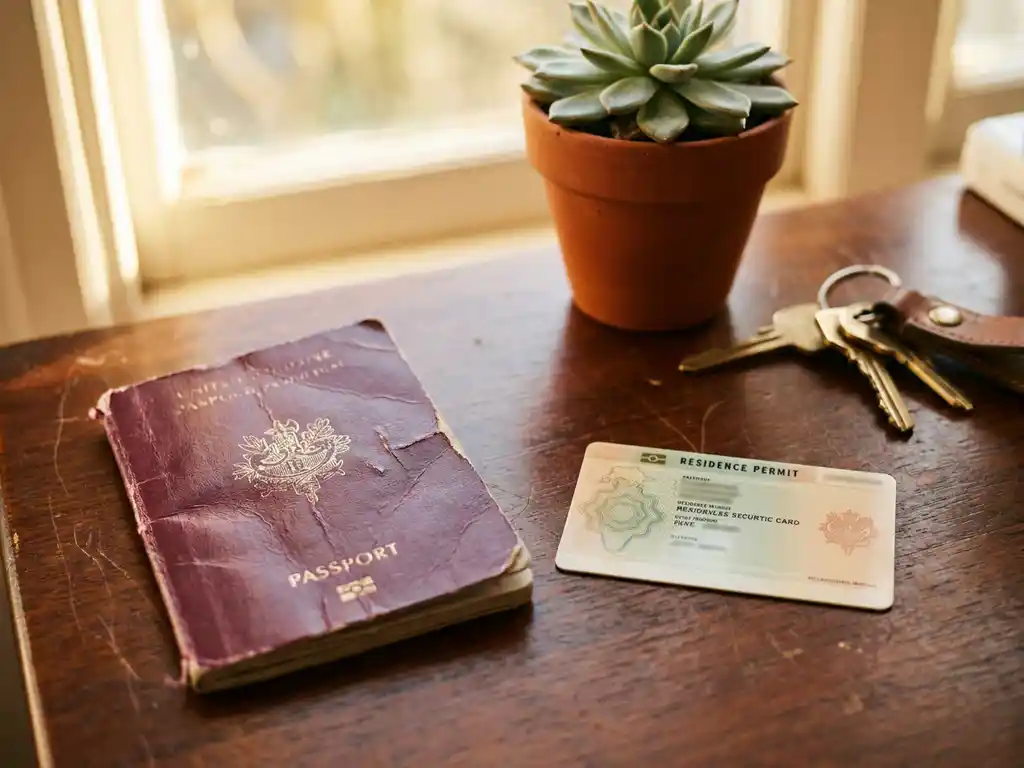
A visa and a residence permit are not the same thing, even though both allow you to stay in Germany legally. A visa is a short-term entry authorisation that lets you enter the country and remain for a limited period, typically up to 90 days for a tourist visa or up to three to six months for a national visa. A residence permit, known in German as an Aufenthaltstitel, is a longer-term document that authorises you to live, study, or work in Germany beyond what a visa alone permits.
For international students, understanding this distinction is essential. You may arrive in Germany on a student visa, but within a specific timeframe, you must convert that visa into a residence permit to remain legally enrolled and resident. The sections below walk through the most common questions students have about this process.
Can you stay in Germany on a visa alone?
Whether you can stay in Germany on a visa alone depends on your nationality and the type of visa you hold. Citizens of EU and EEA countries do not need a visa at all and can reside in Germany freely. Non-EU nationals entering on a short-stay Schengen visa can remain for up to 90 days within any 180-day period. However, if you intend to study in Germany, a short-stay visa is not sufficient for the full duration of your programme.
Students from non-EU countries typically enter Germany on a national student visa (Type D), which is issued for the purpose of beginning studies. This visa allows you to stay for the initial period, usually three to six months, but it does not grant the same rights or duration as a full residence permit. To continue living and studying in Germany beyond the visa period, you must apply for a student residence permit at the local immigration authority, known as the Ausländerbehörde.
What is a German residence permit (Aufenthaltstitel)?
A German residence permit, or Aufenthaltstitel, is an official document issued by German immigration authorities that grants a non-EU national the legal right to reside in Germany for a defined or indefinite period. Unlike a visa, which is an entry authorisation, a residence permit is a status document that determines what you are allowed to do while living in Germany, including whether you can work, study, or bring family members.
There are several categories of residence permit in Germany, each tied to a specific purpose:
- Aufenthaltserlaubnis (temporary residence permit): The most common type for students and workers. It is issued for a fixed term and must be renewed.
- Niederlassungserlaubnis (permanent settlement permit): Granted after several years of legal residence and meeting integration requirements.
- Blaue Karte EU (EU Blue Card): A special permit for highly qualified non-EU professionals.
For international students, the relevant document is the temporary Aufenthaltserlaubnis issued for the purpose of study, under Section 16b of the German Residence Act (Aufenthaltsgesetz). This permit is typically valid for the duration of your study programme and allows limited part-time employment alongside your studies.
How does a student visa convert to a residence permit in Germany?
A student visa does not automatically convert to a residence permit. You must actively apply for a student residence permit at the Ausländerbehörde before your visa expires. The process requires an in-person appointment, which you should book as early as possible, given that waiting times at German immigration offices can extend to several weeks.
To apply for a student residence permit, you will typically need to provide the following documents:
- Valid passport
- Current visa
- Proof of enrolment at a German university or recognised institution
- Proof of sufficient financial means, usually a blocked account (Sperrkonto) showing at least the minimum monthly amount set by German authorities
- Proof of health insurance coverage
- Biometric passport photograph
- Completed registration certificate (Anmeldebescheinigung) showing your Berlin address
The Anmeldung, or address registration, is a critical step that many students underestimate. Without it, you cannot complete your residence permit application. If you are still searching for accommodation, securing student housing support early gives you the address documentation you need to move through the bureaucratic process without delays.
What are the key differences between a visa and a residence permit?
The core difference between a visa and a residence permit in Germany is purpose and duration. A visa is an entry document that grants temporary access to Germany, while a residence permit is a status document that grants the ongoing legal right to live there. In practical terms, a visa gets you through the border; a residence permit keeps you legally in the country.
The table below summarises the key distinctions:
- Issued by: Visas are issued by German embassies or consulates abroad. Residence permits are issued by the Ausländerbehörde inside Germany.
- Duration: Visas are short-term, typically up to six months. Residence permits are issued for the length of your study programme or employment contract.
- Work rights: A student visa may allow limited work, but a residence permit under Section 16b formally permits up to 140 full days or 280 half days of employment per year.
- Renewability: A visa cannot generally be renewed from within Germany. A residence permit can be extended at the Ausländerbehörde before it expires.
- Travel rights: A valid residence permit combined with a valid passport allows re-entry into Germany and travel within the Schengen Area.
When do international students in Germany need to renew their residence permit?
International students in Germany need to renew their residence permit before it expires, which is typically when their initial study programme period ends or when a significant change occurs, such as switching universities, extending their programme, or beginning a new degree. You should submit your renewal application at least six to eight weeks before the expiry date to avoid any gap in your legal status.
Common situations that require a renewal or amendment of your student residence permit include:
- Extending the duration of your current degree programme
- Transitioning from a Bachelor’s to a Master’s programme
- Taking a leave of absence and returning to studies
- Changing your enrolled institution
- Transitioning from a student permit to a job-seeker permit after graduation
Germany allows graduates to apply for an 18-month job-seeker residence permit after completing their studies, giving them time to find employment that matches their qualifications. This is a separate permit category and requires a new application at the Ausländerbehörde. Understanding your options in Germany well before your student permit expires helps you plan this transition without interruption.
What happens if a student’s visa or residence permit expires in Germany?
If your visa or residence permit expires in Germany without a valid extension or new permit in place, you are considered to be residing in Germany without legal authorisation. This is a serious situation that can result in fines, mandatory departure orders, or, in severe cases, a re-entry ban. It can also affect future visa and permit applications.
If you have submitted a renewal application before your permit expired, German law generally provides a legal bridge period called a Fiktionsbescheinigung. This is a provisional certificate issued by the Ausländerbehörde confirming that your previous permit conditions continue to apply while your application is being processed. It is not a new permit, but it protects your legal status during the waiting period.
If you realise your permit has already expired without having applied for renewal, you should contact the Ausländerbehörde immediately and seek legal advice. Proactive communication with the immigration authority is always viewed more favourably than waiting. Keeping your documents organised and setting calendar reminders well in advance of expiry dates is the simplest way to avoid this situation entirely.
How PropTech 24×7 GmbH helps with visa and residence permit navigation in Germany
PropTech 24×7 GmbH understands that the visa-to-residence-permit transition is one of the most stressful moments for international students arriving in Berlin. Getting your housing and address registration sorted quickly is not just a convenience, it is a legal necessity for your Ausländerbehörde appointment. PropTech 24×7 GmbH supports students through this process end to end, so nothing falls through the cracks.
- Verified housing with fast move-in: All listings are scam-free and student-verified, with move-in timelines designed to meet your registration deadlines.
- Anmeldung support: The team assists with your official address registration, giving you the documentation you need for your residence permit application.
- Utilities and WiFi setup: Practical setup is handled so you can focus on your appointment preparation rather than logistics.
- Bureaucracy guidance: From understanding what documents to bring to knowing how to book your Ausländerbehörde appointment, the team provides step-by-step support.
- 128+ university and service partnerships: A trusted network across Berlin means faster, more reliable access to the services that matter most during your first weeks.
If you are preparing to arrive in Berlin and want to make sure your housing, registration, and paperwork are all in order from day one, get in touch with the team at PropTech 24×7 GmbH and get your move-in process started today.