
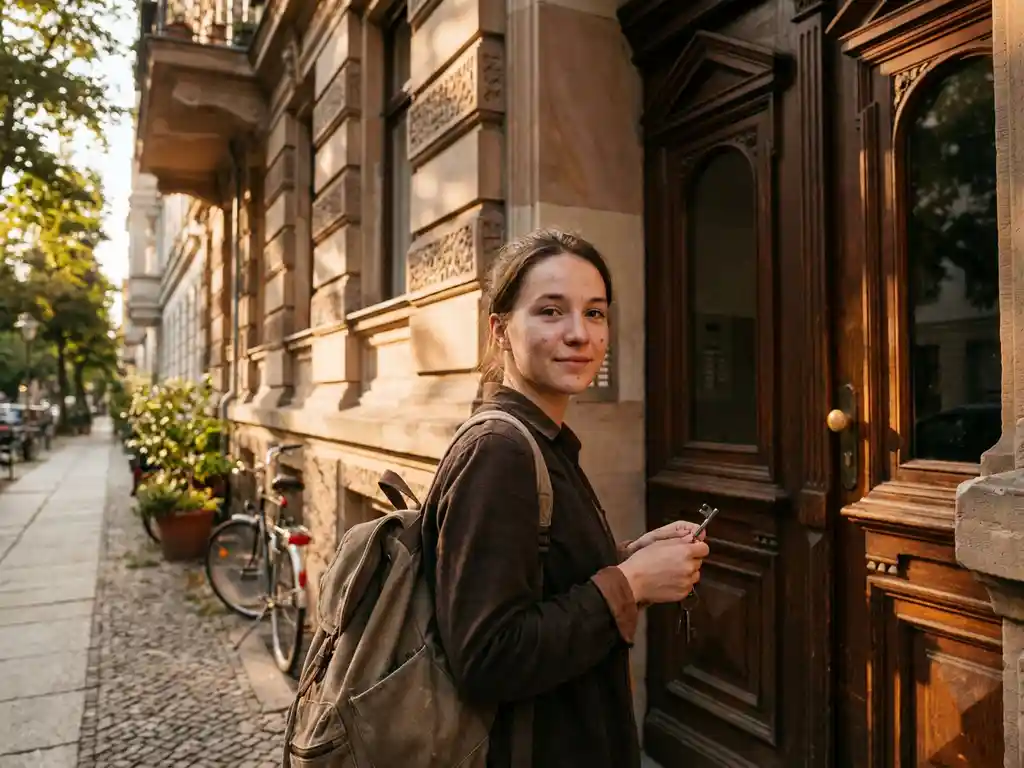
Finding an apartment in Germany as a foreigner is possible, but it requires preparation, the right documents, and a clear understanding of how the German rental market works. The process is more competitive and document-heavy than in many other countries, particularly in cities like Berlin, Munich, and Frankfurt. The questions below walk you through every stage of the process, from gathering paperwork to signing a lease and settling in.
What documents do you need to rent an apartment in Germany?
To rent an apartment in Germany as a foreigner, you typically need a valid passport or residence permit, proof of income or a financial guarantee, a SCHUFA credit report, the last three payslips or a university enrollment certificate, and a completed self-disclosure form known as a Selbstauskunft. Landlords use these documents to assess your reliability as a tenant before they even invite you to a viewing.
As an international student or newcomer, you may not yet have a SCHUFA score, which is Germany’s standard credit reference system. In that case, landlords often accept a bank guarantee, a parental guarantee letter, or proof of sufficient savings as a substitute. Some landlords also request a rental history reference from a previous landlord, though this is less common for students.
Preparing a complete, well-organized application package before you start searching makes a significant difference. German landlords receive many applications and tend to prioritize those that arrive complete and professional. A simple PDF folder with all documents clearly labeled can set you apart from other applicants.
Why is it so hard to rent an apartment in Germany as a foreigner?
Renting in Germany as a foreigner is difficult primarily because demand far exceeds supply in major cities, and landlords face no obligation to rent to applicants without an established German financial history. Foreign applicants often lack a SCHUFA score, local bank account, or German-language communication skills, all of which reduce their competitiveness in a crowded market.
Berlin’s rental market in 2026 remains one of the most competitive in Europe. Vacancy rates in desirable districts are extremely low, and popular listings can attract dozens of applications within hours. Landlords naturally gravitate toward applicants who present the least perceived financial risk, which often disadvantages newcomers regardless of their actual financial stability.
Language is another barrier. Many listings, rental contracts, and landlord communications are in German only. Misunderstanding a clause in a rental agreement can have serious legal and financial consequences, which is why many international students benefit from having a German-speaking contact review contracts before signing.
Where do you search for apartments in Germany?
The most widely used platforms for apartment hunting in Germany are ImmobilienScout24, WG-Gesucht, Immowelt, and eBay Kleinanzeigen. For students specifically, WG-Gesucht is the leading platform for shared apartments, while university notice boards and international student Facebook groups often list private rooms not found on mainstream portals.
Beyond online platforms, consider these practical search channels:
- University housing offices: Many German universities maintain lists of verified landlords and student accommodation options, often at below-market rates
- Studierendenwerk: The student services organization in each city manages subsidized dormitory places, though waiting lists can be long
- Local Facebook groups: Groups for international students in Berlin, Munich, or Hamburg frequently post short-term and long-term room offers
- Relocation and student housing services: Specialist intermediaries can give you access to verified listings not publicly advertised
- Direct landlord outreach: In some districts, approaching building management companies directly yields results that never appear online
Starting your search at least two to three months before your intended move-in date is strongly recommended, especially if you are relocating to Berlin or another high-demand city. The earlier you apply, the more options you have before competition intensifies.
How do you spot and avoid rental scams in Germany?
Rental scams in Germany typically follow a recognizable pattern: the listing price is unusually low, the landlord claims to be abroad and unable to show the property, and they ask for a deposit or first month’s rent before you have signed any contract or seen the apartment in person. Never transfer money to a landlord you have not verified, and never sign a contract without viewing the property first.
Common warning signs of a fraudulent rental listing include:
- Rent significantly below the market rate for the area and apartment size
- Landlord requests payment via bank transfer, Western Union, or cryptocurrency before any meeting
- Photos that appear on multiple listings or reverse-image-search to unrelated properties
- Pressure to decide immediately or risk losing the apartment
- Communication only by email with no phone number or verifiable identity
Germany’s housing scam problem is particularly acute on general classifieds platforms. Verified listing services and established student housing services reduce this risk significantly because listings are pre-screened before they reach applicants. If a deal feels too good to be true in the German rental market, it almost always is.
What happens after you sign a rental contract in Germany?
After signing a rental contract in Germany, your immediate priorities are paying the security deposit, completing the Anmeldung (official address registration at the local Bürgeramt), setting up utilities, and arranging internet access. The Anmeldung must typically be completed within two weeks of moving in and is required for almost every administrative process in Germany, from opening a bank account to registering at university.
Completing the Anmeldung
The Anmeldung requires your rental contract, your passport, and a landlord confirmation form called a Wohnungsgeberbestätigung. You register at your local Bürgeramt (citizens’ office), and appointments can be scarce in busy districts, so book as early as possible. Once registered, you receive a Meldebescheinigung, a certificate of registration that serves as proof of address throughout Germany.
Setting up utilities and internet
In many German apartments, utilities such as electricity and gas are not included in the base rent. You will need to register with a supplier directly or transfer an existing contract. Internet setup can take two to four weeks depending on the provider and building infrastructure, so arranging this on the day you sign or move in saves considerable frustration in your first weeks.
Should you use a student housing service or search on your own?
Whether to use a student housing service or search independently depends on your timeline, language skills, and familiarity with the German rental market. If you are relocating from abroad, have limited German, or need to secure housing quickly before arriving, a specialist service offers a meaningful advantage. If you are already in Germany, speak German, and have time to search, independent searching is entirely viable but requires persistence.
Independent searching gives you maximum flexibility and no service fees, but it demands significant time investment, comfort with German bureaucracy, and the ability to respond quickly to listings. The German rental market moves fast, and applicants who cannot respond within hours often miss opportunities.
A student housing service, by contrast, typically offers pre-vetted listings, support with paperwork, faster move-in timelines, and guidance through post-signing steps like the Anmeldung. For international students arriving in Germany with no local network, this guided approach often saves more time and stress than the service cost implies. You can explore what available support services look like before committing to anything.
How PropTech 24×7 GmbH helps foreigners find apartments in Germany
PropTech 24×7 GmbH was founded specifically to solve the problems international students face when trying to find housing and settle into life in Germany. The company provides end-to-end support that covers every stage of the process described in this article, removing the most common barriers that cause newcomers to struggle or fall victim to scams.
Here is what PropTech 24×7 GmbH offers to students and foreigners relocating to Germany:
- Verified listings only: Every property in the portfolio is screened to eliminate fraudulent or substandard listings, so you never risk losing money to a scam
- Affordable entry points: Rooms and apartments starting from €400 per month with student-friendly, flexible contracts
- 24 to 48 hour response guarantee: Fast communication and rapid move-in timelines, even for students arriving from abroad
- Anmeldung and bureaucracy support: Guidance through address registration, utility setup, and WiFi connection so you are fully settled from day one
- 128+ verified partnerships: Direct relationships with landlords, universities, and service providers across more than nine Berlin districts
- No hidden fees: Transparent pricing with no surprises built into the process
If you are preparing to relocate to Berlin or another German city and want a reliable, scam-free path to housing, get in touch with PropTech 24×7 GmbH today and let the team find the right apartment for your situation.