
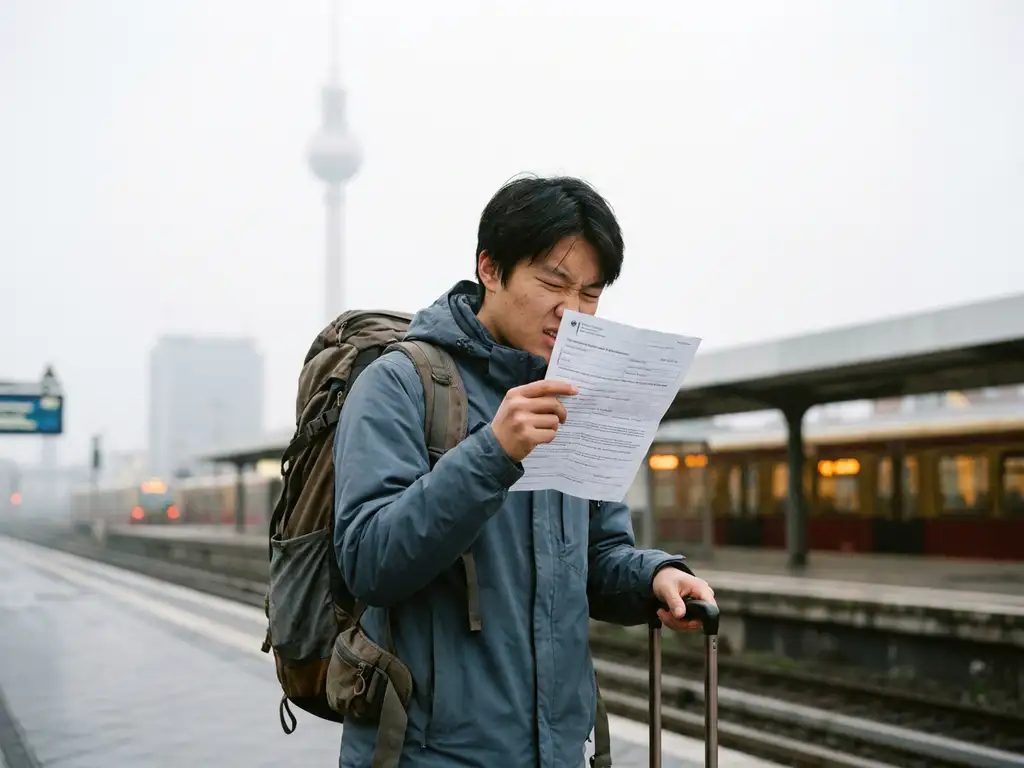
Moving to Germany in 2026 presents a set of well-documented, interconnected challenges that catch most newcomers off guard. Housing scarcity, rigid bureaucratic processes, language barriers, and banking obstacles combine to make the relocation process significantly more demanding than in many other European countries. These challenges are especially acute for international students, who often arrive without an established network, a local address, or familiarity with German administrative systems. The sections below break down each major obstacle and offer practical guidance for navigating them.
What makes Germany’s rental market so difficult for newcomers?
Germany’s rental market is one of the most competitive in Europe, and newcomers face structural disadvantages that make securing housing genuinely difficult. In cities like Berlin, demand for affordable apartments consistently outpaces supply, and landlords routinely receive dozens of applications for a single listing. International students without a German credit history, a local guarantor, or a SCHUFA score are frequently passed over in favour of local applicants.
Beyond competition, the documentation requirements are extensive. Landlords typically request proof of income or a financial guarantee, a copy of your passport, references from previous landlords, and sometimes a formal letter of motivation. For someone arriving from abroad, assembling these documents before even landing in Germany is a significant logistical challenge.
Scams are also a serious concern. Fraudulent listings targeting international students are widespread, particularly on general-purpose platforms where listings are not verified. Students are sometimes asked to pay deposits or rent in advance for apartments that do not exist or are not available. Sticking to verified listings and working with trusted intermediaries is one of the most effective ways to avoid financial loss. If you are researching student housing options in Berlin, verified sources are essential before any payment is made.
How does the Anmeldung process work, and why does it matter?
The Anmeldung is Germany’s mandatory address registration process, and it is the single most important administrative step for anyone relocating to Germany. Without a registered address, you cannot open a bank account, receive official correspondence, access public services, or legally remain in the country long term. You must complete the Anmeldung within 14 days of moving into a permanent address.
The process itself involves visiting your local Bürgeramt (citizens’ office), completing a registration form, and presenting your passport along with a document called a Wohnungsgeberbestätigung, which is a written confirmation from your landlord confirming that you live at the address. This landlord confirmation is frequently a sticking point for students staying in temporary accommodation or informal sublets, as some landlords refuse to provide it.
Once registered, you receive a Meldebescheinigung (registration certificate), which becomes one of the most requested documents in German bureaucracy. It unlocks access to nearly every subsequent step in the integration process, from banking to health insurance enrolment. Delays in completing the Anmeldung create a cascade of complications, which is why securing a permanent address quickly after arrival is so strategically important.
What language barriers do international students face in Germany?
Despite Germany’s high level of English proficiency in urban areas, the country’s administrative and legal systems operate almost exclusively in German. International students face language barriers not in everyday social situations, but in the contexts that matter most during relocation: reading rental contracts, communicating with authorities, understanding utility agreements, and navigating university enrolment documentation.
Rental contracts in Germany are detailed legal documents, often running to 20 or more pages, written in formal German with specific legal terminology. Signing without understanding the terms exposes students to unexpected obligations around notice periods, subletting restrictions, and deposit deductions. Similarly, correspondence from government offices, health insurance providers, and utility companies arrives in German and rarely comes with translation options.
The practical consequence is that students who do not speak German must either develop basic reading proficiency quickly, rely on bilingual friends or advisors, or use translation tools carefully. Machine translation tools have improved significantly, but they still produce errors in legal and administrative contexts. Building a support network of people familiar with German bureaucracy, or working with a service that provides bilingual guidance, significantly reduces the risk of costly misunderstandings.
How hard is it to open a bank account without a German address?
Opening a German bank account without a registered address is extremely difficult with traditional banks, and for most newcomers it is effectively impossible until the Anmeldung is complete. Most established German banks, including Sparkasse and Deutsche Bank, require a Meldebescheinigung as part of the account-opening process. This creates a circular problem: you need a bank account to pay rent and deposits, but you need an address to get a bank account.
Traditional banks versus digital alternatives
Traditional German banks require in-person visits, German-language documentation, and proof of registration before they will open an account. The process can take one to three weeks even after all documents are in order, which is too slow for students who need to pay a deposit or first month’s rent immediately upon arrival.
Digital banks as a practical workaround
Digital banks such as N26 and Bunq have become the standard first banking solution for international students in Germany precisely because they do not require a German address to open an account. These accounts can be opened online using a passport and a video identification process, often within 24 to 48 hours. While they offer fewer services than full-service banks, they provide an IBAN immediately, which is sufficient for paying rent and setting up recurring payments. Once the Anmeldung is complete, students can open a traditional account if needed.
What are the biggest financial risks when relocating to Germany in 2026?
The biggest financial risks when relocating to Germany in 2026 centre on housing scams, unexpected upfront costs, and underestimating the total cost of relocation. Students frequently arrive with a budget calibrated to monthly rent alone, without accounting for the substantial costs that appear before the first month even begins.
The most common upfront costs include a security deposit of up to three months’ cold rent, the first month’s rent itself, and in some cases a brokerage fee if the landlord engaged an agent. Together, these can amount to four to five months of rent paid before you have lived in the apartment for a single day. For students arriving with limited savings, this can create immediate financial strain.
Housing scams represent a separate but significant financial risk. Fraudulent listings often target students searching for affordable housing in Berlin under time pressure. The pattern typically involves a listing priced below market rate, a landlord claiming to be abroad, and a request to transfer a deposit before viewing the property. Once the money is sent, the landlord disappears. Students should never transfer money to a landlord they have not met and should treat any listing that cannot be viewed in person with serious caution.
Beyond housing, students frequently underestimate costs such as health insurance (mandatory in Germany), public transport passes, university semester fees, and the initial cost of furnishing an unfurnished apartment, which is the standard rental format in Germany.
How can international students overcome Germany’s integration challenges?
International students can overcome Germany’s integration challenges by preparing systematically before arrival, prioritising the Anmeldung as the first administrative task, and building a reliable support network quickly. The students who integrate most successfully are those who treat relocation as a multi-step process rather than a single event.
Preparation before arrival should include securing verified accommodation with a landlord willing to provide the Wohnungsgeberbestätigung, opening a digital bank account to have an IBAN ready, and researching the Bürgeramt appointment system in your specific Berlin district, as appointment availability varies significantly by location.
After arrival, the priority sequence is clear: complete the Anmeldung, enrol in health insurance, register at your university, and set up utilities. Each step unlocks the next. Students who try to shortcut this sequence by delaying registration or relying on temporary addresses often find themselves unable to access services they urgently need.
Learning basic German, even at a conversational level, accelerates integration significantly. Many administrative offices do not offer English-language support, and being able to read official letters reduces dependency on others for critical decisions. Language courses offered through universities or platforms like the Volkshochschule are often free or heavily subsidised for enrolled students. Connecting with student communities, both international and German, also provides practical knowledge that no guide can fully replicate. If you want to understand what integration support services are available to you, exploring your options early makes a meaningful difference.
How PropTech 24×7 GmbH helps with moving to Germany
PropTech 24×7 GmbH was founded specifically to address the challenges described throughout this article by someone who experienced them firsthand as an international student in Germany. The company provides end-to-end support for students relocating to Berlin, removing the guesswork and risk from every stage of the process.
- Verified housing listings only: Every listing is checked to protect students from scams and ensure the landlord will provide the Wohnungsgeberbestätigung needed for Anmeldung.
- 24 to 48 hour response guarantee: Students receive fast, responsive support rather than waiting days for answers during a time-sensitive relocation.
- Bureaucracy support included: Assistance with Anmeldung, utility setup, and WiFi is part of the service, not an add-on.
- Affordable entry points: Housing options start from €400 per month with student-friendly, flexible contracts.
- Broader integration services: Beyond housing, PropTech 24×7 GmbH supports students with career guidance and long-term settlement, covering the full student lifecycle in Germany.
If you are planning your move to Germany in 2026 and want to avoid the most common pitfalls, get in touch with the team to find verified housing and get the support you need from day one.